Strategy
The Value-Add Playbook: How We Force Appreciation
Unlike single-family homes, apartment buildings are valued on income — which means you control the upside. Here's exactly how we do it.
Read Article ↓
The term "value-add" gets used a lot in real estate circles, but what does it actually mean in practice? For us, value-add means acquiring a property that is underperforming relative to its potential — through below-market rents, deferred maintenance, poor management, or some combination — and systematically closing that gap.
Step 1: Identify the Gap
Before we close on any deal, we underwrite the current income versus the market potential. If a 20-unit building is collecting $600/unit when comparable units in the area rent for $800, that's a $200/unit gap — $4,000/month, or $48,000/year in unrealized income. At a 7% cap rate, closing that gap adds nearly $685,000 in asset value.
Step 2: Stabilize Operations
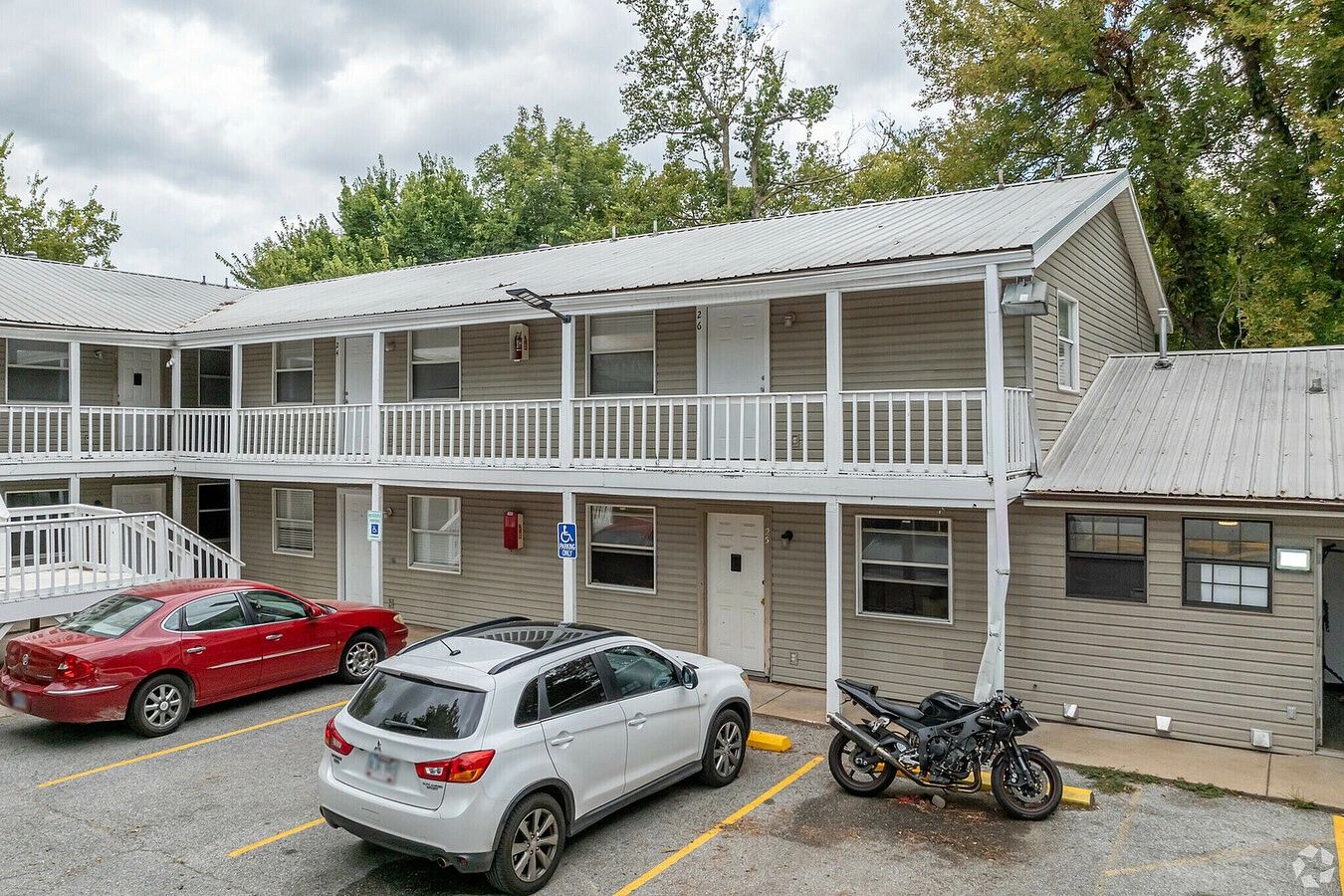
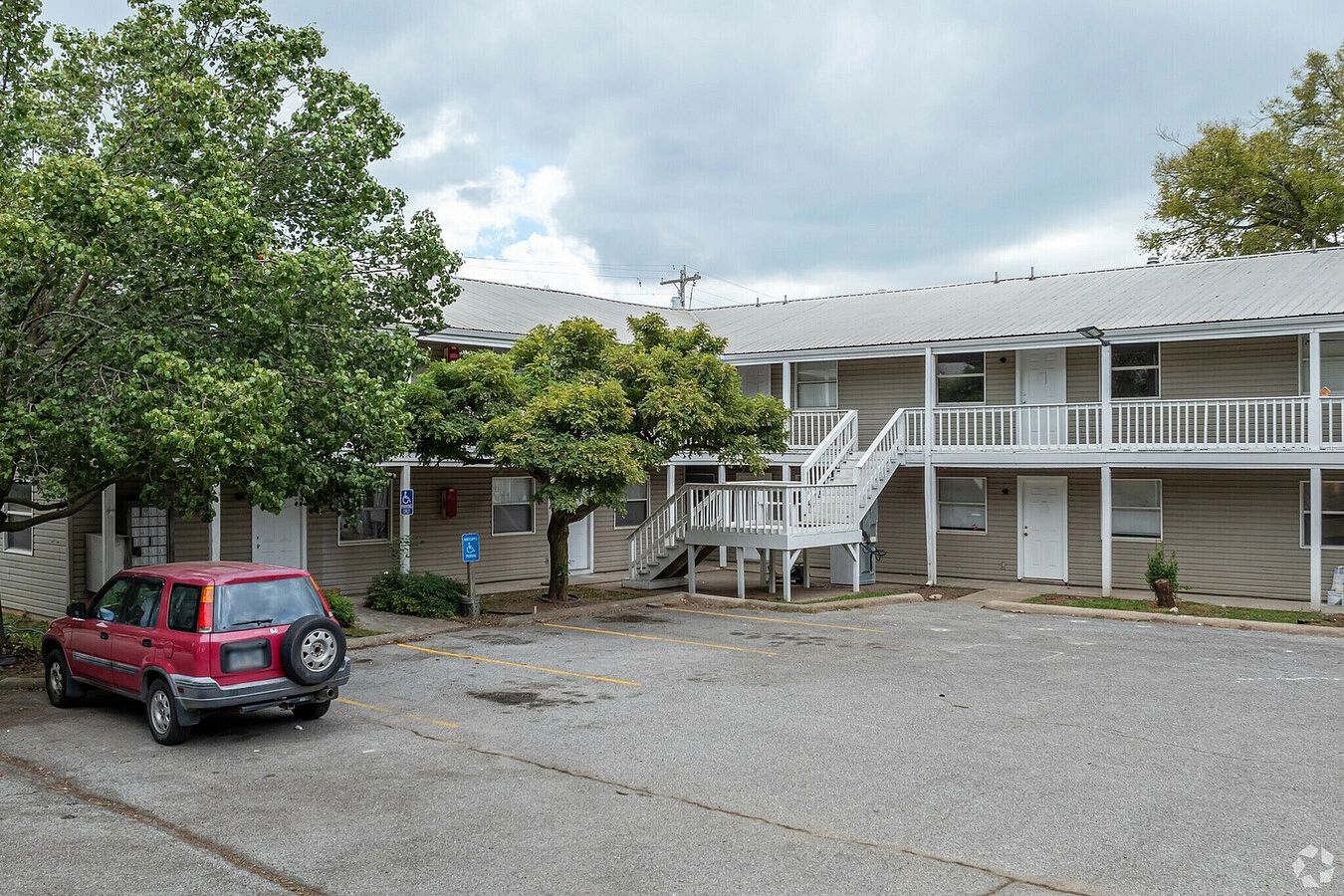
The first 90 days are about stabilization — addressing deferred maintenance, improving curb appeal, establishing clear lease terms, and building a reliable vendor network. A well-run property retains tenants and attracts better ones.
Step 3: Strategic Unit Upgrades
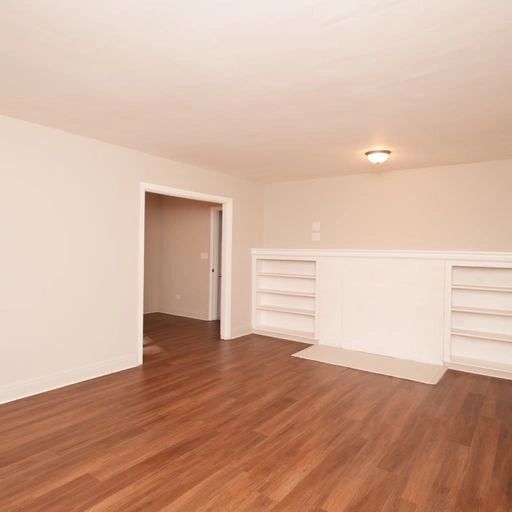
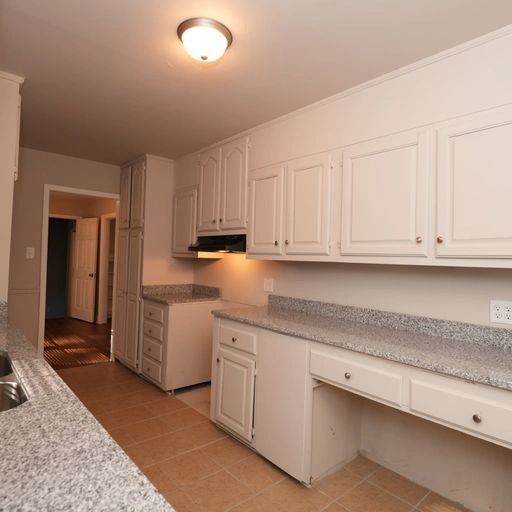
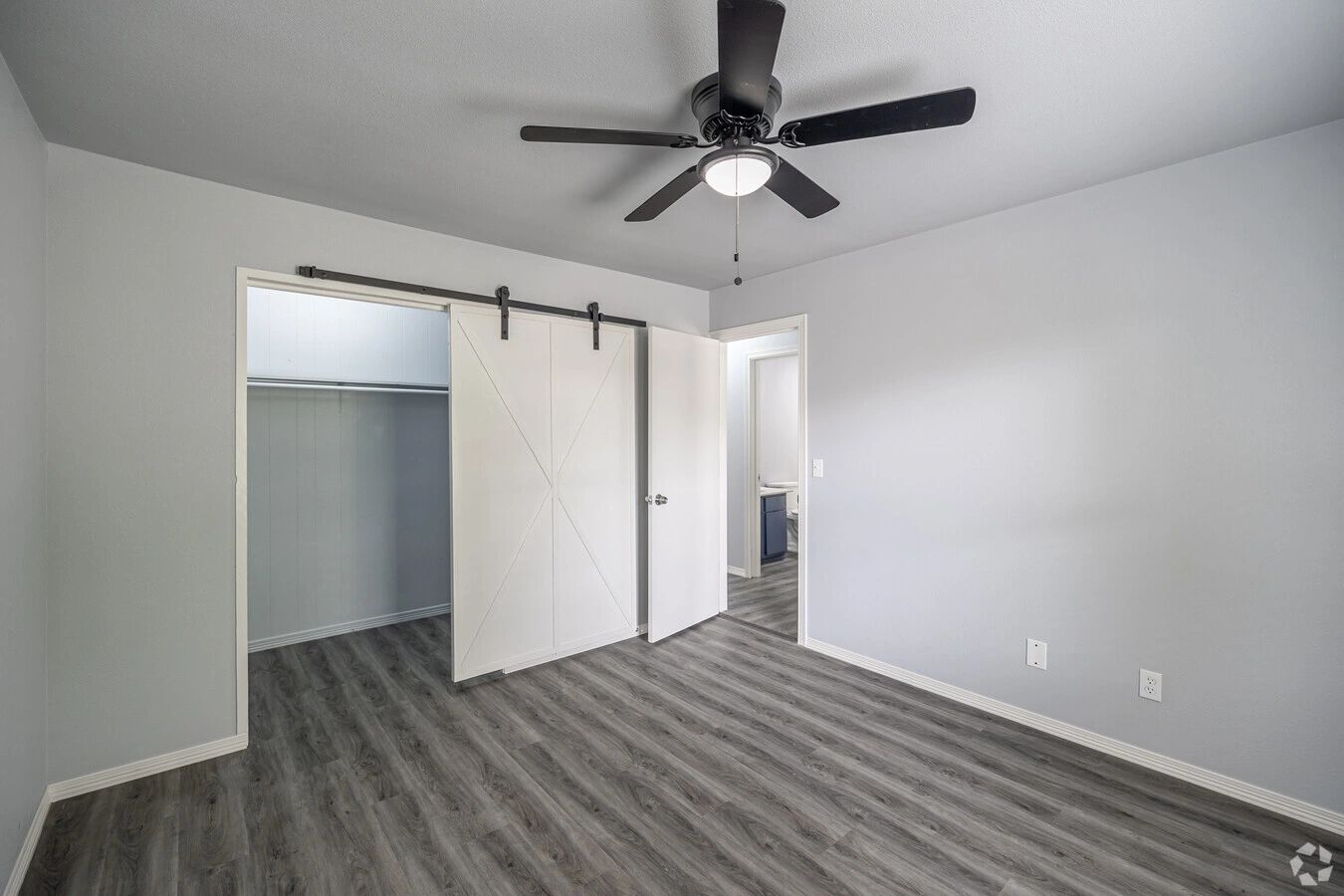
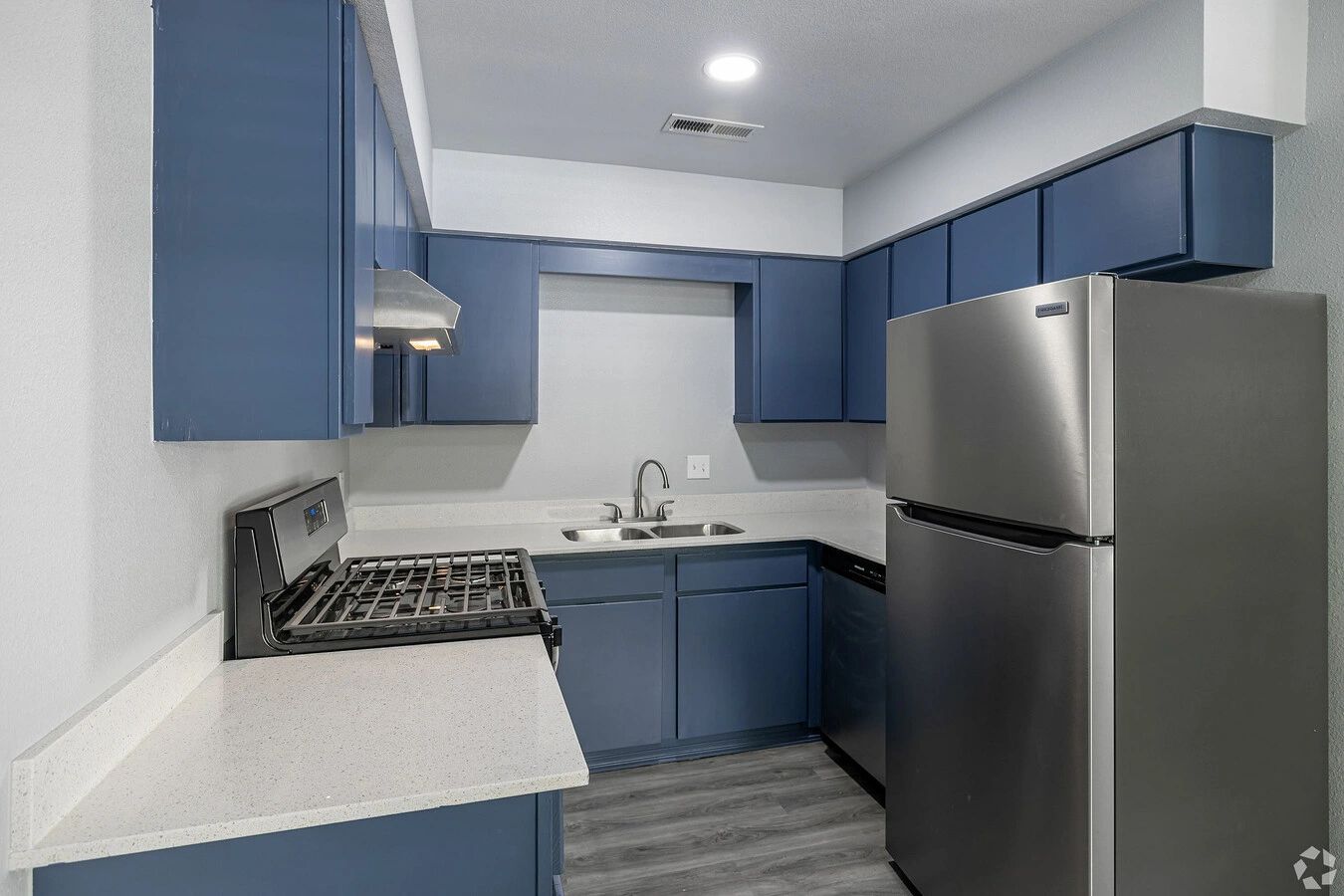
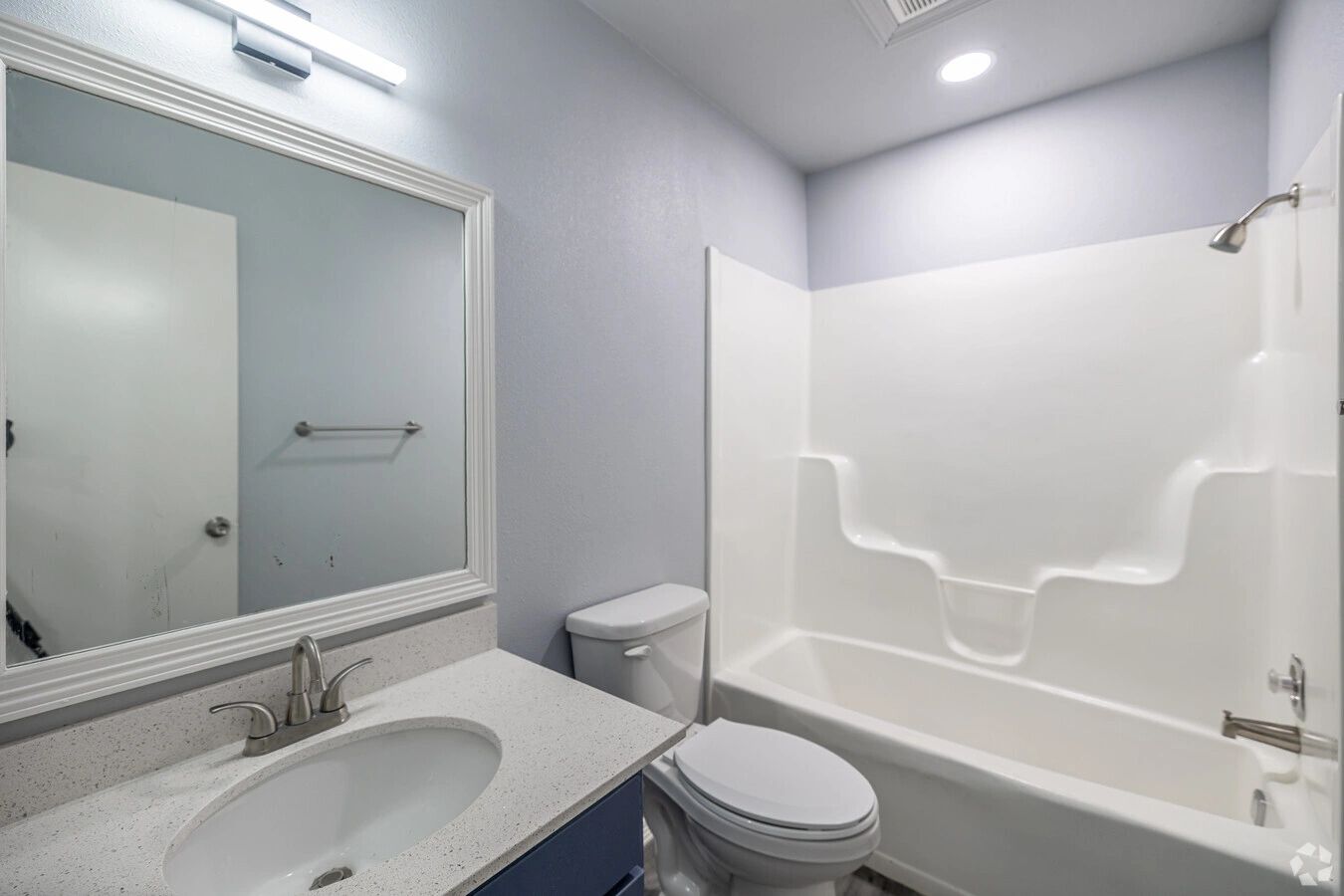
As units turn over, we renovate selectively — new flooring, updated fixtures, fresh paint, modern appliances. These improvements justify higher rents for new tenants while keeping costs controlled. We don't over-improve; we improve to market standard.
Step 4: Add Income Streams
Beyond rents, we look for ancillary income opportunities: coin-operated laundry, storage units, covered parking, or pet fees. Each dollar of additional monthly income adds meaningful value to the asset at sale.
Step 5: Refinance or Exit
Once the NOI has been increased, we evaluate the options — refinance to return capital to investors while holding the asset, or sell at the improved valuation. Either path delivers strong returns relative to the original investment.
Want to see this playbook applied to a real deal? Let's connect and walk through our current projects.





%2001.jpg)
%2009.jpg)
%2012.jpg)
%2011%20(1).jpg)
%2017.jpg)